It's not very often I am blown away; however, I find myself very fortunate to have travelled the world for my job experiencing some truly remarkable things.
Two weeks ago, I returned from what I can only describe as the most remarkable trip so far of my life - an Antarctic expedition cruise that would forever change how I view travel.
To give you some background, I decided last year to take my mum on her ultimate bucket list trip to Antarctica. I can vividly remember pressing 'BOOK' and then thinking "Wow, this is a big one" and wondering if I would be OK taking mum all that way on my own. I know my stuff about expedition cruising, and I am well-travelled, but this for some reason made me a little nervous. Maybe it was something new? Maybe it was because it was different? Maybe because it didn't include my skis or a sun lounger?
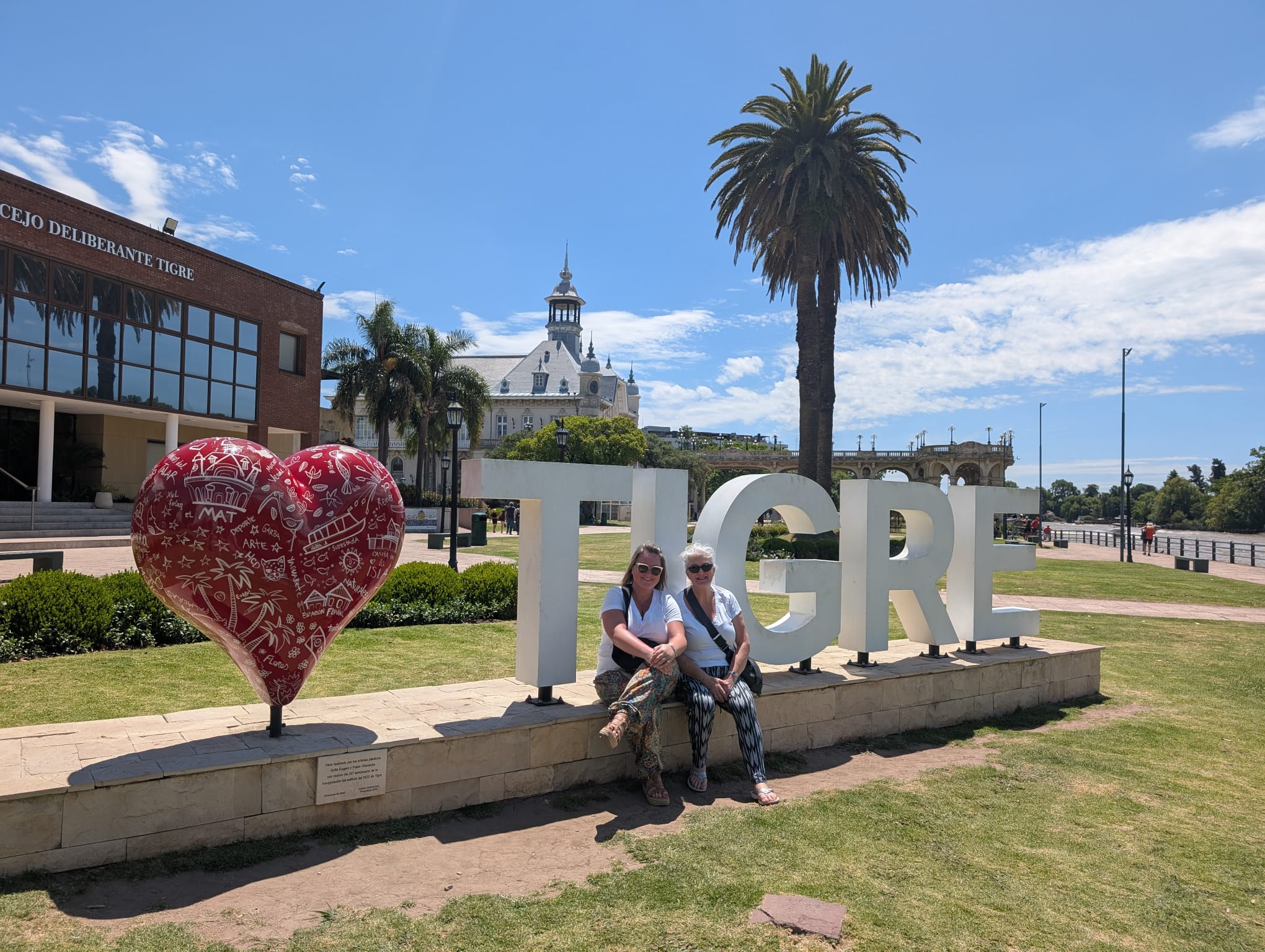
Fast forward to January 2025, and after a very tearful goodbye to my hugely supportive husband, we were off on our 17-day adventure, 10,500 miles away. We flew to Buenos Aires, Argentina, where I had arranged a short break add-on for us to explore the city. Because you absolutely can't go somewhere new and not spend at least a couple of days there! It was a whistle-stop trip, but we managed to cram in a lot, including a city tour, rooftop hosted BBQ night with locals, and even venture out of the city to Tigre Delta.
After three fabulous nights enjoying 33-degree heat, we flew down to Ushuaia, the southernmost tip of Argentina and known as the 'End of the World', to begin our epic voyage of adventure.
For those unfamiliar with Antarctica (and it's perfectly OK if you are), it is known as the 7th continent and is located at the bottom of the world below Argentina and Chile. Getting there can be done in different ways - most sail from Ushuaia or you can fly. We opted to sail across the iconic Drake Passage (named after Sir Francis Drake).
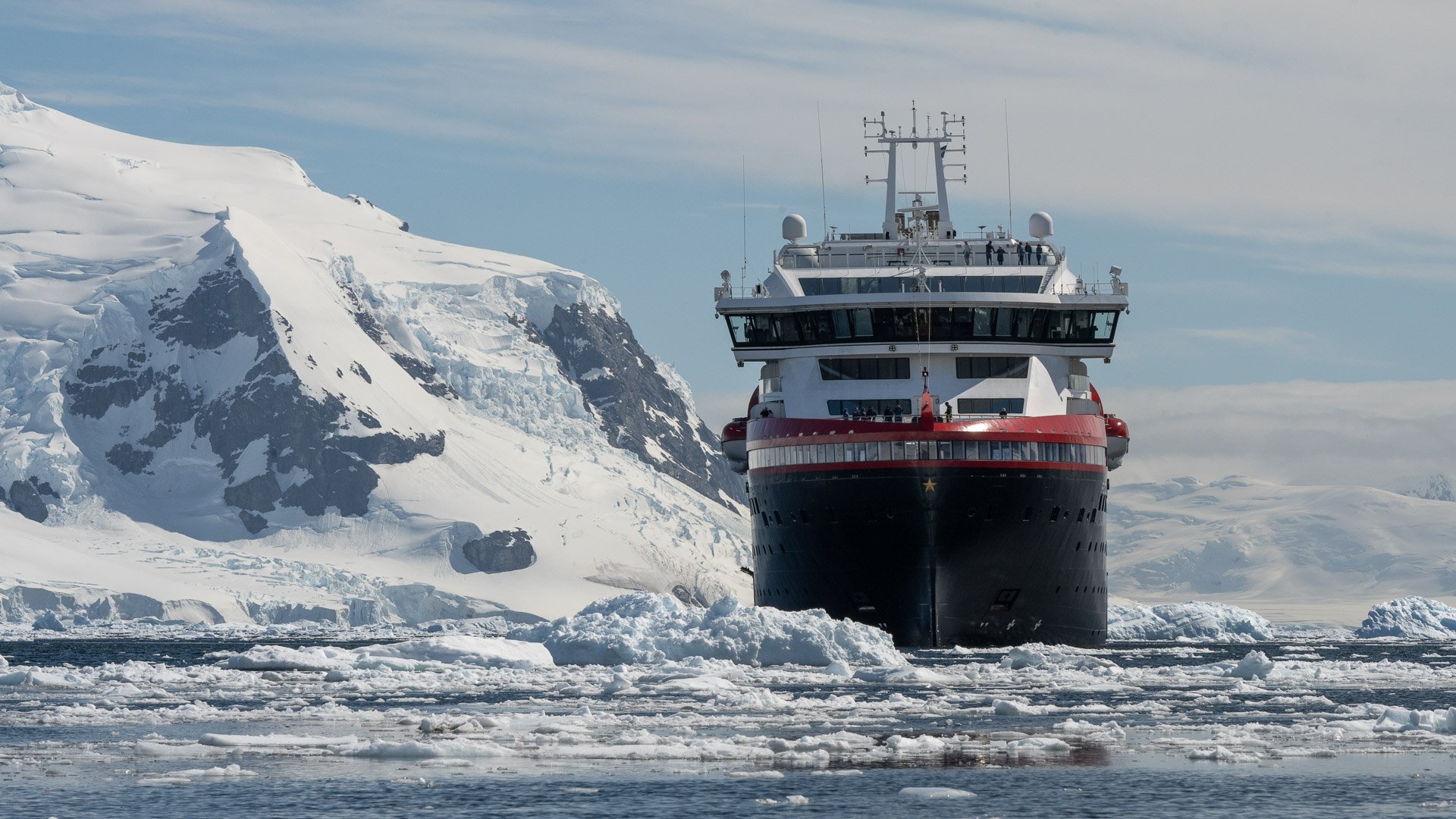
The crossing typically takes 48 hours, depending on sea conditions. Will you experience the 'Drake Lake' or 'Drake Shake' as people call it? Remember, these expedition ships are adapted for all conditions, and the Captain and crew are exceptionally experienced in this area to plan ahead and avoid bad weather. While I came armed with necessary pills and potions, I actually didn't really need them!
During our 48-hour crossing, there was so much to see and do to prepare for our arrival at the Antarctic Peninsula. We attended lectures about what we might see, learned the history of this remarkable continent, and received guidelines about protecting the environment. Between meeting the Expedition team, getting familiar with the ship, booking excursions, and enjoying spa treatments, time flew by.
Before we knew it, we had arrived, and oh my goodness - waking up and opening the curtains of my balcony doors to be faced with dazzling icebergs floating by will stick with me forever. I won't lie; I was speechless and even shed a tear.
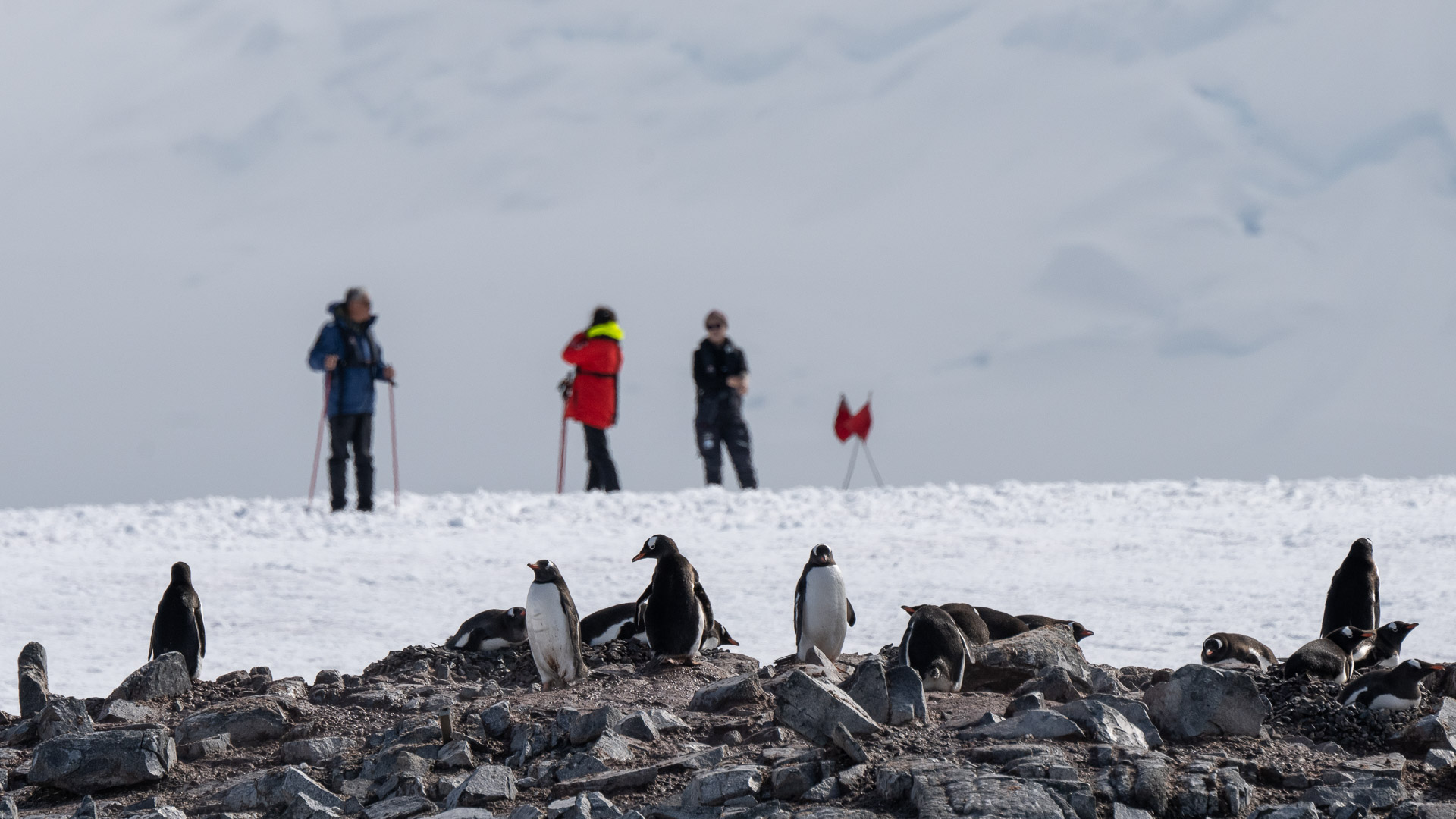
The next five days were simply amazing, visiting different areas around the peninsula, each equally mind-blowing for different reasons. The wildlife was immense - from Crabeater Seals to Chinstrap Penguins to Humpback Whales. You might think you'd get bored after seeing one penguin, but I could have stayed for weeks just watching them. By the end, I could even tell the difference between a Chinstrap, an Adelie, and a Gentoo Penguin!
Unlike traditional cruising, expedition cruising itineraries change, mainly because of weather and wildlife. "Expect the unexpected, go with the flow" is what I was told. I found this a little hard to understand until I was there, and then it all made sense. Antarctica can be unpredictable, and to get the most from any trip, you need to be adaptable. You could get a week of sunshine or a week of blizzards and snow. But this is Antarctica, and it's all part of the experience!