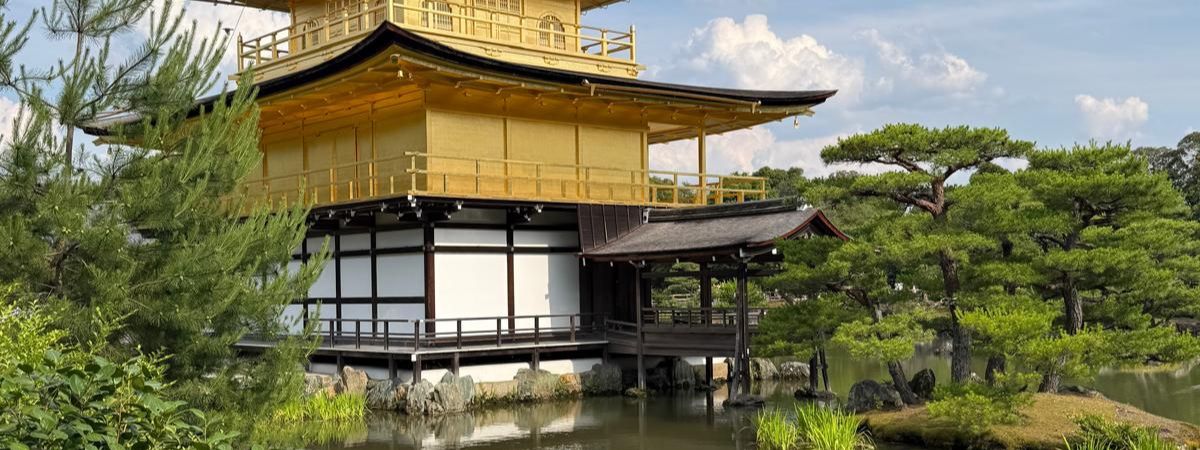

As a luxury travel expert, I recently visited Japan in June to experience first-hand one of the world's most fascinating and sought-after destinations. June marks the beginning of Japan's rainy season, but the weather was far better than expected, with a pleasant mix of warm sunshine, comfortable temperatures and very little rainfall.
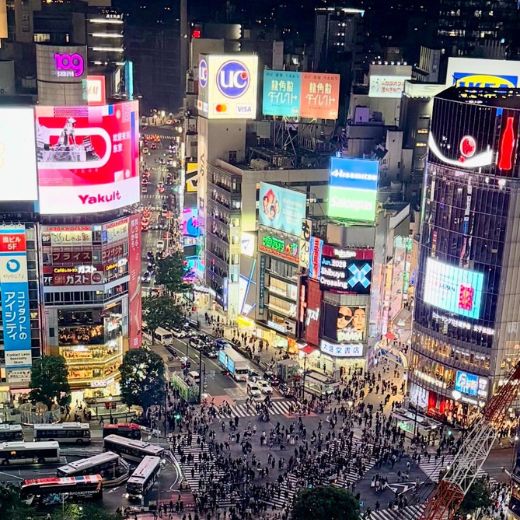
My Japan itinerary began with three nights in Tokyo, a city that effortlessly blends ancient traditions with cutting-edge technology. From iconic neighbourhoods such as Shibuya and Ginza to peaceful temples and gardens, Tokyo offers an incredible introduction to modern Japan.
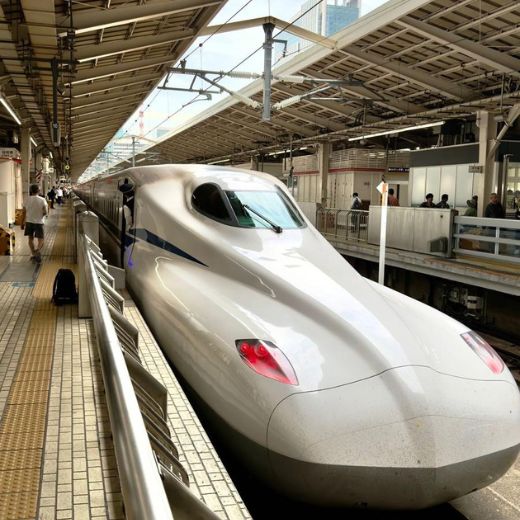
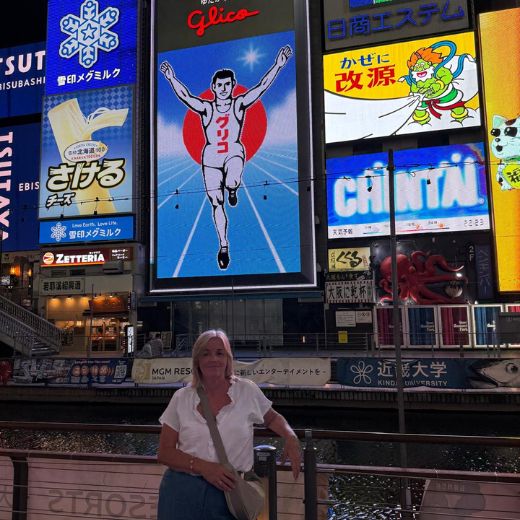
From Tokyo, I travelled on Japan's world-famous Shinkansen bullet train to Kyoto, spending three nights exploring historic temples, traditional tea houses, bamboo forests and beautiful Japanese gardens. The journey concluded with a night in Osaka, renowned for its vibrant atmosphere, neon-lit streets and outstanding food scene.
This fast-paced one-week Japan itinerary was designed to showcase the highlights of Tokyo, Kyoto and Osaka while staying in comfortable, well-located hotels. It proved to be the perfect introduction to Japan and left me eager to return to discover more of this remarkable country.
Japan is one of the easiest countries in the world to travel around, but careful planning can make a huge difference to your experience. To maximise your time, I recommend creating a well-structured itinerary and using expert local guides where possible to gain a deeper understanding of Japan's culture, history and traditions.
If you are travelling independently, allow more time than you think you will need when navigating public transport, particularly in Kyoto, where buses can be busy and travel times longer than expected.
While Tokyo, Kyoto and Osaka are must-see destinations for first-time visitors, some of Japan's most rewarding experiences can be found beyond the major cities. Traditional villages, mountain landscapes,hot spring towns and rural regions offer a fascinating insight into authentic Japanese life and culture.
The Cleanliness and Organisation
Japan is renowned for being one of the cleanest and safest countries in the world. From spotless train stations and streets to the efficiency of public transport, everything operates with remarkable precision and attention to detail.
The Temples and Shrines
Japan's temples and shrines are among the country's greatest treasures. Whether hidden within peaceful forests or located in the heart of bustling cities, they provide moments of tranquillity, beauty and cultural discovery.
The Countryside
Beyond the major cities lies a completely different side of Japan. Scenic countryside, traditional villages,rice terraces and mountain landscapes offer a slower pace of life and some of the country's mostmemorable experiences.
The Food Scene
Japan is a dream destination for food lovers. From Michelin-starred restaurants and sushi counters to bustling food markets and local izakayas, every meal is an opportunity to experience something extraordinary.
The Neon Lights and City Atmosphere
Tokyo and Osaka are famous for their dazzling neon lights, vibrant entertainment districts and unique energy. Exploring these cities after dark is an unforgettable experience and showcases Japan's fascinating contrast between tradition and modernity.
Japan is a country where ancient customs and futuristic innovation coexist perfectly, creating a destination unlike anywhere else in the world.
One of the questions I am asked most often is, "When is the best time to visit Japan?" The answer depends on the experiences you are looking for, as Japan is truly a year-round destination.
Spring (March to May) is famous for its spectacular cherry blossom season, when parks, temples and city streets are transformed by clouds of pink and white blossoms. This is one of the most popular times to visit Japan.
Autumn (September to November) is equally beautiful, with vibrant red, orange and gold foliage creating stunning landscapes throughout the country. Comfortable temperatures and lower humidity make it ideal for sightseeing.
Summer (June to August) offers lively festivals, lush scenery and long daylight hours. Despite visiting during the start of the rainy season in June, I experienced very little rain and found it to be an excellent time to travel.
Winter (December to February) reveals another side of Japan, with snow-covered temples, world-class skiing, traditional hot springs and fewer crowds.
For a first-time visitor, I would generally recommend spring or autumn. However, Japan's incredible culture, cuisine, scenery and hospitality ensure there is no bad time to visit.
Travelling to Japan from the UK has never been easier, with both direct and indirect flight options available throughout the year. Direct flights operate from London to Tokyo, while indirect services via Dubai, Doha, Singapore and Hong Kong provide additional flexibility and often excellent value.
For travellers seeking a luxury multi-centre holiday, Japan combines beautifully with other destinations. One of my favourite recommendations is to end a Japan holiday with a relaxing stay in the Maldives, allowing time to unwind on pristine white-sand beaches after an exciting week of sightseeing.
Alternatively, the beautiful Okinawa Islands offer a tropical extension within Japan itself. Located in the south of the country, Okinawa is known for crystal-clear waters, stunning beaches, excellent diving and a unique culture that differs from mainland Japan.
Whether you are looking for a tailor-made Japan holiday, a luxury cultural tour, a foodie adventure or a multi-centre itinerary, Japan offers an extraordinary travel experience that deserves a place on every traveller's wish list.